
Introduction
Japan tsunami history is marked by some of the most powerful and destructive natural disasters ever recorded. Located along the Pacific Ring of Fire, Japan frequently experiences earthquakes that trigger tsunamis. Understanding Japan tsunami history helps us learn how these disasters occur and how modern technology reduces their impact.
What is a Tsunami?
A tsunami is a series of ocean waves caused by underwater earthquakes, volcanic eruptions, or landslides. In Japan tsunami history, most tsunamis are triggered by seismic activity beneath the ocean floor.
Major Events in Japan Tsunami History
1. The 869 Jōgan Tsunami
The Jōgan Earthquake and Tsunami is one of the earliest recorded events in Japan tsunami history. It flooded large parts of the Sendai plains and is often compared with modern tsunamis.
2. The 1896 Meiji Sanriku Tsunami
The Meiji Sanriku Tsunami remains one of the deadliest disasters in Japan tsunami history. Waves reached over 30 meters, killing more than 22,000 people.
3. The 1923 Great Kantō Earthquake and Tsunami
The Great Kantō Earthquake caused widespread destruction in Tokyo and surrounding areas. The tsunami added to the devastation, making it a significant event in Japan tsunami history.
4. The 2011 Tōhoku Tsunami
The 2011 Tōhoku Earthquake and Tsunami is the most recent major event in Japan tsunami history. Massive waves led to nearly 20,000 deaths and triggered the Fukushima Daiichi nuclear disaster.
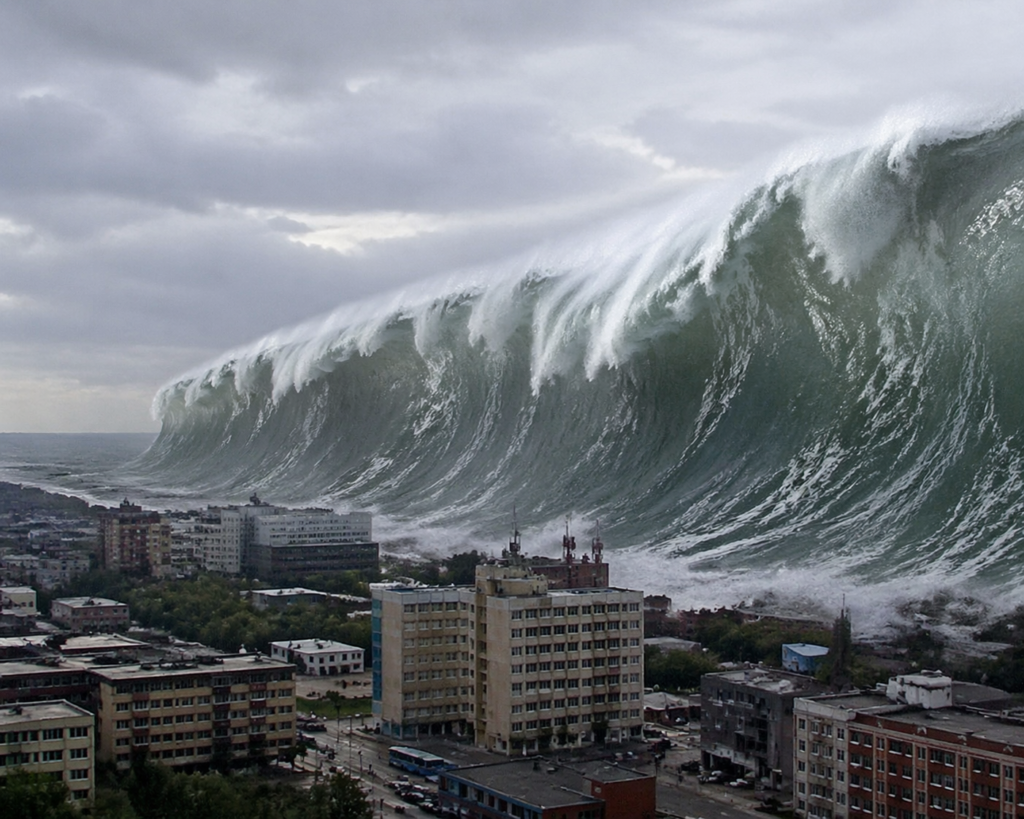
Causes of Tsunamis in Japan
Japan tsunami history shows that most tsunamis are caused by:
- Underwater earthquakes
- Tectonic plate movements
- Volcanic eruptions
- Submarine landslides
Japan’s location makes it highly vulnerable to these natural events.
Impact of Tsunamis in Japan
Throughout Japan tsunami history, tsunamis have caused:
- Loss of thousands of lives
- Destruction of coastal cities
- Economic damage
- Environmental changes
These impacts highlight the importance of preparedness.
Japan’s Preparedness and Safety Measures
Japan tsunami history has led to major improvements in disaster management:
- Advanced early warning systems
- Strong coastal defenses
- Public awareness programs
- Emergency evacuation plans
These measures help reduce damage and save lives.
Lessons from Japan Tsunami History
Japan tsunami history teaches us valuable lessons:
- Early warnings are critical
- Infrastructure must be strong
- Education saves lives
- Preparedness reduces risk
Frequently Asked Questions (FAQs)
What is the deadliest event in Japan tsunami history?
The Meiji Sanriku Tsunami of 1896 is considered one of the deadliest events in Japan tsunami history.
Why does Japan experience frequent tsunamis?
Japan tsunami history shows that its location on tectonic plate boundaries makes it prone to earthquakes and tsunamis.
What happened in the 2011 Japan tsunami?
The 2011 Tōhoku event caused massive destruction and led to a nuclear disaster.
Conclusion
Japan tsunami history is a powerful reminder of nature’s force and human resilience. By studying Japan tsunami history, we can better prepare for future disasters and protect lives.