The Looming Threat: Understanding the Global Water Crisis

In an era marked by technological marvels and scientific breakthroughs, there exists a silent crisis that threatens the very foundation of human existence: the global water crisis. Across continents, from bustling cities to remote villages, the availability of clean, potable water is dwindling at an alarming rate, presenting one of the most pressing challenges of our time.

The Escalating Challenge

The severity of the water crisis is underscored by staggering statistics. According to the United Nations, more than 2 billion people worldwide lack access to safe drinking water, while 4.5 billion lack safely managed sanitation services. These numbers paint a grim reality where basic human needs are unmet, leading to widespread health issues and societal instability.

Root Causes and Complexities

The causes of the water crisis are multifaceted, intertwining environmental, economic, and political factors. Climate change disrupts weather patterns, leading to droughts and erratic rainfall, exacerbating water scarcity in already vulnerable regions. Rapid urbanization strains existing water infrastructure, often unable to keep pace with burgeoning populations. Moreover, pollution from industrial effluents and agricultural runoff further contaminates freshwater sources, rendering them unsafe for consumption.

Impact on Human Health and Development

The consequences of water scarcity ripple through communities, affecting health, education, and economic opportunities. In regions where clean water is scarce, children often fall ill from waterborne diseases, leading to absenteeism from school and perpetuating cycles of poverty. Women and girls, predominantly responsible for water collection in many cultures, spend hours each day fetching water, time that could otherwise be spent on education or income-generating activities.

Environmental Degradation and Ecosystems

Beyond human impact, the water crisis threatens biodiversity and ecological balance. Depleted rivers and aquifers disrupt aquatic habitats and compromise ecosystems that depend on consistent water flows. Reduced water availability amplifies competition among sectors like agriculture, industry, and municipalities, intensifying conflicts over scarce resources.

Strategies for Mitigation and Sustainability

Addressing the water crisis demands a coordinated approach on local, national, and international levels. Investment in water infrastructure, including improved sanitation systems and efficient irrigation technologies, is critical to enhancing water access and reducing wastage. Promoting water conservation practices through public awareness campaigns and policy incentives encourages responsible water use across all sectors.

Global Cooperation and Policy Frameworks

International cooperation is indispensable in tackling the water crisis, transcending borders to manage shared water resources equitably. Treaties and agreements on transboundary rivers and aquifers foster collaboration among nations, promoting sustainable water management practices and conflict resolution mechanisms.

The Imperative for Individual Action

While governments and organizations play pivotal roles, individual actions also contribute significantly to alleviating the water crisis. Simple measures like fixing leaks, using water-efficient appliances, and reducing personal water consumption collectively reduce strain on local water supplies and contribute to broader conservation efforts.

Looking Ahead: A Call to Action

The water crisis is not an abstract concept but a stark reality affecting billions worldwide. As custodians of this planet, we bear a collective responsibility to safeguard water resources for current and future generations. By prioritizing sustainable water management, advocating for equitable access, and embracing innovation, we can mitigate the water crisis and build a more resilient and water-secure world.

In conclusion, the global water crisis transcends geographical boundaries and socioeconomic divides, requiring unified action and unwavering commitment to ensure water security for all. It is not merely an environmental or developmental issue but a fundamental human right that must be upheld to forge a sustainable future.

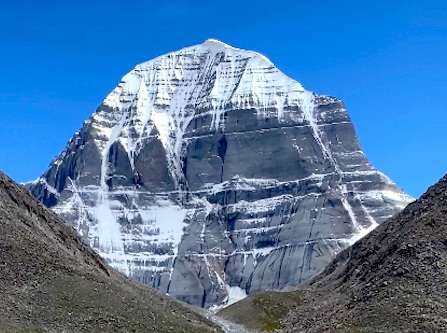
Facts about mount kailashDiscovering Mount Kailash: A Sacred Mountain of Mystical SignificanceFacts about mount kailash

Mount Kailash, standing tall in the remote western Tibetan plateau, holds a place of profound reverence and mystique in various religious and cultural traditions. Revered as a sacred site by Hindus, Buddhists, Jains, and Bon followers alike, this majestic peak draws pilgrims and adventurers from around the globe. Here, we delve into the fascinating facts and spiritual significance surrounding Mount Kailash.

Geological and Physical Features

  1. Location and Altitude: Mount Kailash is situated in the Kailash Range, part of the Transhimalaya in Tibet, China. It reaches an impressive altitude of 6,638 meters (21,778 feet), making it one of the highest peaks in the region.
  2. Distinctive Shape: The mountain is notable for its unique symmetrical pyramid shape with four distinct faces, each facing the cardinal directions: north, south, east, and west. This geomorphological feature adds to its spiritual allure.

Cultural and Spiritual Significance

  1. Hindu Beliefs: In Hinduism, Mount Kailash is considered the abode of Lord Shiva, one of the principal deities of the faith. It is believed that Shiva resides atop the mountain in a state of perpetual meditation.
  2. Buddhist Tradition: For Buddhists, Mount Kailash is associated with Guru Rinpoche (Padmasambhava), credited with introducing Buddhism to Tibet. It is also seen as a representation of Mount Meru, the cosmic axis and center of the universe in Buddhist cosmology.
  3. Jain and Bon Perspectives: Followers of Jainism consider Mount Kailash to be the site where their first Tirthankara, Rishabhadeva, attained enlightenment. Similarly, the Bon religion of Tibet regards Kailash as the seat of spiritual power and the dwelling place of their deity, Shenrab Miwo.

Mount Kailash

Pilgrimage and Ritual Circumambulation (Kora)

  1. Circumambulation (Kora): One of the most sacred rituals associated with Mount Kailash is the circumambulation (kora) of the mountain. Pilgrims of various faiths undertake the challenging trek, walking clockwise around the base of the mountain, which spans approximately 52 kilometers (32 miles).
  2. Importance of Cleanliness: Devotees and pilgrims observe strict cleanliness rituals before embarking on the kora, such as bathing in the nearby Lake Manasarovar and wearing clean clothes, as a sign of respect and purification.

Natural and Ecological Significance

  1. Lake Manasarovar: Adjacent to Mount Kailash lies Lake Manasarovar, considered one of the holiest lakes in Hinduism and Buddhism. Pilgrims often perform rituals and take dips in its sacred waters before or after completing the kora.
  2. Wildlife and Conservation: The region around Mount Kailash is home to diverse wildlife, including Tibetan antelope, wild yak, and various bird species. Efforts are underway to preserve the delicate ecosystem and protect the natural beauty of the area.

Conclusion

Mount Kailash stands not only as a geological marvel but also as a spiritual beacon, drawing people of diverse faiths to its majestic slopes. Its significance transcends borders and beliefs, offering a profound glimpse into the interconnectedness of humanity’s spiritual heritage. Whether one seeks adventure, enlightenment, or simply a deeper understanding of cultural diversity, Mount Kailash continues to inspire and captivate those who venture to its sacred heights.

Trailblazer of Holistic Healing: The Inspiring Journey of Gladys McGarey

Pioneering Holistic Medicine: The Legacy of Gladys McGarey

Gladys Taylor McGarey, often referred to as the “Mother of Holistic Medicine,” stands as a pioneering figure in the realm of healthcare. Born in 1920, her life’s work has been dedicated to integrating conventional medicine with alternative healing practices, advocating for a more comprehensive approach to wellness. Let’s explore the remarkable journey and contributions of this trailblazing physician.

Early Life and Education

Gladys McGarey’s journey began in Arizona, where she was born and raised. She pursued her medical education at the University of Arizona, earning her degree in 1944. This early foundation in traditional medicine would later intersect with her profound interest in holistic healing modalities.

Gladys McGarey

Trailblazing Holistic Medicine

Dr. McGarey’s career took a pivotal turn when she co-founded the American Holistic Medical Association (AHMA) in 1978, alongside a group of like-minded physicians. This organization aimed to promote a holistic approach to healthcare, emphasizing the importance of treating the whole person rather than just symptoms. McGarey’s leadership within the AHMA helped to legitimize holistic medicine within the medical community and beyond.

Contributions to Integrative Medicine

Central to McGarey’s philosophy is the belief that true healing encompasses physical, emotional, and spiritual dimensions. She integrated various alternative therapies such as acupuncture, nutrition, and mind-body techniques into her practice, paving the way for what is now known as integrative medicine. Her innovative approach has influenced countless practitioners and patients alike, fostering a more holistic understanding of health and wellness.

Legacy and Influence

Beyond her role in founding the AHMA, McGarey has authored several books, including “The Physician Within You” and “Born to Live,” which have inspired readers to take a more active role in their own health. Her lectures and workshops have further disseminated the principles of holistic medicine, reaching audiences worldwide.

Continuing Impact

Even in her later years, Gladys McGarey remains an influential figure in the field of integrative and holistic medicine. Her advocacy for patient-centered care and the integration of complementary therapies continues to shape medical education and practice. Her legacy serves as a beacon for those seeking a more comprehensive approach to healing and well-being.

Conclusion

Gladys Taylor McGarey’s pioneering spirit and dedication to holistic medicine have left an indelible mark on the healthcare landscape. Through her tireless efforts, she has challenged conventional medical paradigms and championed a more inclusive approach to health and healing. As we continue to explore the potential of integrative medicine, we acknowledge Dr. McGarey’s profound influence and celebrate her enduring legacy in shaping a more holistic future for healthcare worldwide.

The Deadly Impact of Tobacco: Understanding its Effects on Health and Society

Tobacco use remains one of the most significant public health challenges worldwide, exacting a devastating toll on individuals, communities, and economies. Despite widespread awareness of its harmful effects, tobacco continues to be consumed globally, leading to a myriad of health problems and societal issues.

Health Effects

The primary impact of tobacco manifests in its severe health consequences. Smoking, for instance, is a leading cause of preventable deaths globally, contributing to a range of diseases such as lung cancer, heart disease, chronic obstructive pulmonary disease (COPD), and stroke. Secondhand smoke, equally harmful, affects nonsmokers exposed to it, increasing their risk of respiratory infections and heart disease.

Moreover, smokeless tobacco products, including chewing tobacco and snuff, are associated with oral cancers, gum disease, and nicotine addiction. The addictive nature of nicotine makes quitting tobacco a daunting challenge for many users, perpetuating the cycle of health risks.

Social and Economic Impact

Beyond health, tobacco use has profound social and economic ramifications. Families often bear the brunt of its consequences, experiencing emotional distress and financial strain due to medical expenses and lost productivity. In communities, tobacco-related illnesses strain healthcare systems and diminish workforce productivity, posing a burden on national economies.

Furthermore, tobacco cultivation and production have environmental implications, leading to deforestation, soil degradation, and water pollution. The industry’s influence extends to policy-making, with tobacco companies sometimes lobbying against stringent regulations that could curb tobacco use and protect public health.

Global Efforts and Challenges

Efforts to combat tobacco use have seen progress, with initiatives like tobacco taxation, public smoking bans, and comprehensive advertising restrictions proving effective in some regions. Awareness campaigns and smoking cessation programs also play a crucial role in encouraging individuals to quit and preventing youth initiation.

However, challenges persist. Tobacco remains deeply ingrained in cultural and social norms in many societies, making behavior change difficult. The tobacco industry’s aggressive marketing strategies, particularly targeting vulnerable populations and emerging markets, continue to undermine public health efforts.

Conclusion

Addressing the impact of tobacco requires a multifaceted approach involving government regulation, public education, and community engagement. Effective tobacco control policies must prioritize prevention, cessation support, and protection from exposure to secondhand smoke. Empowering individuals with knowledge about the health risks and social consequences of tobacco remains crucial in shifting societal attitudes and behaviors.

Ultimately, reducing tobacco use is not just a health imperative but a societal responsibility. By advocating for stronger policies and supporting individuals in their efforts to quit, we can mitigate the devastating effects of tobacco on health, society, and the environment, paving the way towards a healthier future for all.

Preserving Earth’s Heritage: The Imperative of Wildlife Conservation

The Imperative of Wildlife Conservation: A Call to Action

Wildlife conservation, the practice of protecting animal species and their habitats, is a critical endeavor for maintaining biodiversity and ecological balance on our planet. This effort encompasses a wide range of activities, including habitat preservation, legal protection of species, and public education, all aimed at ensuring that future generations can enjoy a rich diversity of wildlife.

The Importance of Wildlife Conservation

Biodiversity, the variety of life in all its forms, is vital for ecosystem stability and resilience. Healthy ecosystems provide essential services such as clean water, pollination of crops, and climate regulation. For instance, wetlands filter pollutants from water, forests act as carbon sinks, and diverse plant species ensure agricultural productivity through pollination. Each species, no matter how small, plays a unique role in its ecosystem, and the loss of one can have cascading effects on others.

Furthermore, wildlife has intrinsic value and contributes to human well-being in myriad ways. It offers recreational opportunities, educational experiences, and cultural significance. Iconic species like tigers, elephants, and whales capture the human imagination and symbolize the beauty and diversity of life on Earth. Preserving wildlife is also about preserving the natural heritage that defines our planet.

Threats to Wildlife

Despite its importance, wildlife faces numerous threats primarily driven by human activities. Habitat destruction, through deforestation, urban expansion, and agriculture, is the most significant threat, leading to the loss of natural environments necessary for species survival. Pollution, including plastic waste, pesticides, and industrial contaminants, further degrades habitats and harms wildlife.

Climate change adds another layer of complexity, altering habitats and migration patterns and exacerbating the effects of other threats. Species unable to adapt quickly enough to changing temperatures and weather patterns face increased risks of extinction. Over exploitation through hunting, poaching, and the illegal wildlife trade poses direct threats to many species, particularly those already vulnerable due to other factors.

Conservation Strategies

Effective wildlife conservation requires a multifaceted approach. Protected areas, such as national parks and wildlife reserves, are critical for providing safe havens where species can thrive without human interference. These areas must be adequately funded, managed, and enforced to prevent illegal activities such as poaching and logging.

Legislation and international agreements play a crucial role. Laws such as the Endangered Species Act in the United States and conventions like the Convention on International Trade in Endangered Species of Wild Fauna and Flora (CITES) provide frameworks for protecting species at risk. However, enforcement and global cooperation are essential to address issues like illegal wildlife trade effectively.

Community involvement is another key component. Local communities often bear the brunt of conservation restrictions, so involving them in conservation efforts can lead to more sustainable and effective outcomes. Programs that provide alternative livelihoods and benefits for participating in conservation can reduce human-wildlife conflicts and foster a sense of stewardship.

Success Stories and Hope for the Future

There have been notable successes in wildlife conservation, demonstrating that concerted efforts can yield positive results. The resurgence of the bald eagle in North America, the recovery of humpback whale populations, and the increased numbers of mountain gorillas in Central Africa are testament to what can be achieved with dedication and resources.

Innovative technologies and methodologies also offer new avenues for conservation. Satellite tracking, genetic research, and drone surveillance improve our ability to monitor and protect wildlife. Conservationists are increasingly using data-driven approaches to identify critical habitats, assess threats, and implement targeted interventions.

Education and public awareness remain fundamental. By fostering a deeper understanding of the importance of wildlife and the challenges it faces, we can inspire more people to support conservation efforts. Every individual action, from reducing plastic use to supporting conservation organizations, contributes to the broader goal of preserving our natural world.

Conclusion

Wildlife conservation is not just about saving animals; it is about preserving the intricate web of life that sustains our planet. As stewards of the Earth, humans have a responsibility to protect the natural world. While the challenges are significant, the successes achieved thus far show that it is possible to make a difference. By continuing to innovate, collaborate, and educate, we can ensure that wildlife not only survives but thrives for generations to come.

Indian Wildlife Conservation: A Vital Endeavor for Biodiversity

India, with its diverse landscapes ranging from the towering Himalayas to the vast Thar Desert and the dense Western Ghats, is home to an incredibly rich variety of wildlife. This biodiversity, however, is under significant threat due to habitat destruction, poaching, and climate change. Conservation efforts are therefore crucial in maintaining the ecological balance and ensuring the survival of numerous species that are unique to this region.

The Rich Biodiversity of India

India hosts a plethora of species across its varied ecosystems. It is one of the 17 megadiverse countries in the world, harboring around 8% of the world’s biodiversity on just 2.4% of the world’s land area. This includes over 90,000 species of animals and about 45,000 species of plants. Iconic animals such as the Bengal tiger, Asian elephant, Indian rhinoceros, and the elusive snow leopard symbolize the country’s wildlife wealth.

Challenges to Wildlife Conservation

  1. Habitat Loss and Fragmentation: Rapid urbanization, deforestation, and agricultural expansion have led to significant habitat loss. Forests are being cleared for timber and land development, which not only reduces the living space for wildlife but also fragments existing habitats, making it difficult for species to migrate and breed.
  2. Poaching and Illegal Wildlife Trade: Poaching for body parts such as tiger skins, rhino horns, and elephant tusks continues to threaten these species. Despite strict laws, illegal wildlife trade persists due to high demand both within India and internationally.
  3. Human-Wildlife Conflict: As human populations expand into traditional wildlife territories, conflicts arise. Animals often stray into human settlements in search of food, leading to crop damage, livestock predation, and sometimes human casualties, which in turn leads to retaliatory killings.
  4. Climate Change: Changing climate patterns affect the habitats and food availability for many species. For instance, melting glaciers in the Himalayas threaten the existence of snow leopards and other alpine fauna.

Conservation Efforts in India

  1. Protected Areas and Sanctuaries: India has established a network of protected areas, including 104 national parks and 551 wildlife sanctuaries, covering around 5% of its geographical area. The creation of these protected areas helps preserve critical habitats and provides safe zones for endangered species.
  2. Project Tiger and Project Elephant: Initiated in 1973, Project Tiger aims to protect Bengal tigers from extinction by ensuring a viable population of tigers in their natural habitats. Project Elephant, launched in 1992, focuses on conserving elephant populations and their migration routes.
  3. Wildlife Protection Act of 1972: This comprehensive law provides the legal framework for the protection of wildlife in India. It regulates hunting, trade in wildlife parts, and the establishment of protected areas.
  4. Community Involvement and Ecotourism: Involving local communities in conservation efforts has proven to be effective. Ecotourism initiatives provide economic benefits to local populations while promoting wildlife conservation. For instance, community-run tourism projects in the Western Ghats and the Sundarbans have successfully combined conservation with livelihood generation.
  5. Anti-Poaching Initiatives: Strengthening anti-poaching measures through better patrolling, use of technology like drones and camera traps, and stricter enforcement of laws are crucial. Collaborative efforts with international organizations also help curb illegal wildlife trade.
  6. Conservation Breeding Programs: For critically endangered species, breeding programs in captivity and subsequent release into the wild have been implemented. For example, the Pygmy Hog Conservation Program aims to reintroduce captive-bred pygmy hogs into their natural habitats.

Future Directions and Conclusion

The future of wildlife conservation in India hinges on sustainable development, integrating conservation priorities into broader development agendas, and continued global cooperation. Emphasizing research and data-driven conservation strategies will enhance the effectiveness of these efforts. Public awareness and education about the importance of biodiversity can foster a culture of conservation among the general populace.

In conclusion, while India faces significant challenges in wildlife conservation, the concerted efforts of government initiatives, non-governmental organizations, local communities, and international partners offer hope. By preserving its rich biodiversity, India not only safeguards its natural heritage but also contributes to the global efforts of maintaining ecological balance and resilience in the face of environmental changes.